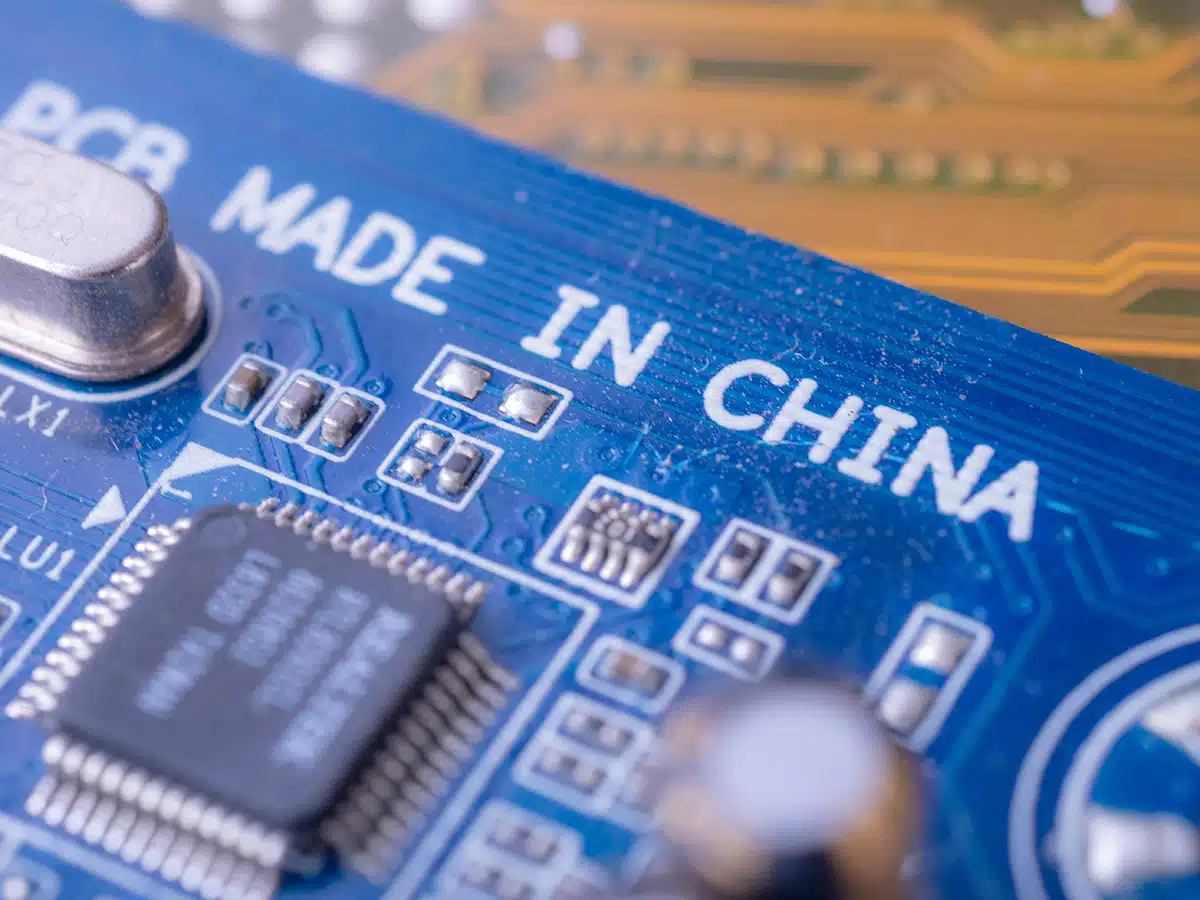
Made in China, a term that for many years stood for products of inferior quality. Consumer electronics, electronic toys, not products that you could expect to have a long life. Warranty until ……, well actually not at all. Made in China, a term once coined by Japan to indicate the inferior quality of Chinese products compared to those from Japan.
Made in Germany, in recent decades a term that has guaranteed high quality. A concept when it comes to buying good products. The best knives came from Solingen, companies such as Krupp, Siemens and Bosch were inherent in quality. And if you wanted a decent car, you bought a Mercedes or a BMW. If you had less money to spend, maybe a VW, but even then, you expected it to last a long time.
But where does the term “Made in Germany” relate to? Is this a predicate that the German industry once gave itself to underline their excellent quality on the world market?
No, far from it. Let’s go back in history to the end of the 19th century, the era of the industrial revolution, when mechanized industry emerged and was already at a high level, especially in England. The best steel and knives came from Sheffield (*). That was a fact that was known worldwide, including in what was then Germany. And so, the knives from Sheffield were copied by German factories.
Unfortunately, due to poorer steel quality and inferior processes, these were not of the same quality as the Sheffield knives. The result was that the industry in what was then England demanded that German knives be marked with the indication: “Made in Germany” in order to make it clear to the consumer that they were buying an inferior product. This was enshrined in a law in Great Britain in 1887.
And now, some 150 years later, we see the analogy with the Made in China mark. Certainly, there are still products from China that are of a lower quality, toys and consumer electronics are still being produced, but gradually we also see that many production companies have worked their way up in the market and that the equipment and techniques used, but also the skills and the quality awareness of management and employees has risen to a higher level.
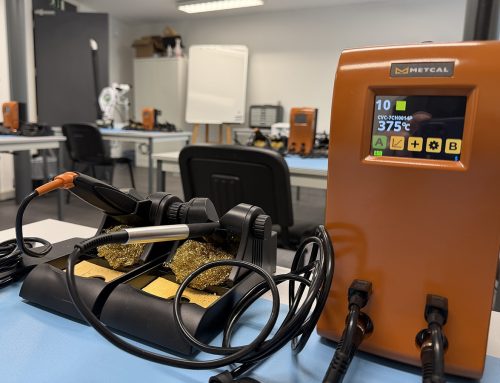
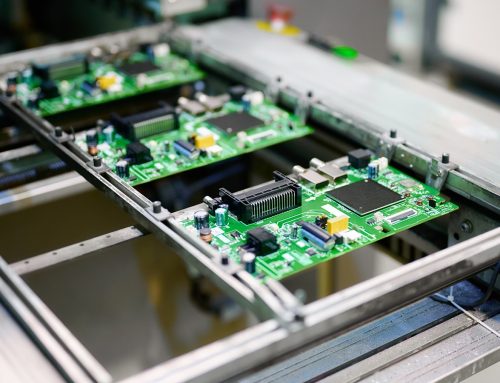
And that in many companies, where you used to see rows of people, especially young people, who were soldering by hand, where the soldering robots are now standing that have taken over this work. Something that has led to a better controllability of the processes and brought it to a level that exceeds what is seen in some European production companies.
So, the question arises how long before “Made in China” will be synonymous with the best quality electronic products you can buy on the market. Will China then demand that European and American companies provide their products with “Made in Europe” and “Made in USA” markings to indicate the lower quality.
(*) Martensitic stainless steel was invented more than a hundred years ago in Sheffield, England. But long before that, all kinds of new techniques were invented here, among others by several pioneers in the field of steel processing, such as Benjamin Huntsman and Henry Bessemer.
— Frank Huijsmans